

Forest.
The forest itself is both the problem and the solution. Decades of fire suppression and overgrazing created dangerously dense, species-poor stands; restoring open structure in forests means not just removing trees, but rebuilding the layered biodiversity that frequent, low-intensity fire once maintained. This essay documents the hands-on work of restoration — thinning operations, prescribed burns, the sudden light that floods an opened canopy — and what that light makes possible: the return of a diverse understory of native grasses and wildflowers, the reestablishment of browse for deer and elk, the snags and cavities that cavity-nesting birds require, the mosaic of habitats that a single-species monoculture cannot provide. Biodiversity is not a byproduct of forest restoration — it is the measure of its success. The essay follows that work to its clearest proof of concept: the southern Jemez, where restored forests now carry fire differently, support richer plant and animal communities, and demonstrate what a fire-adapted, biologically diverse forest looks and behaves like.
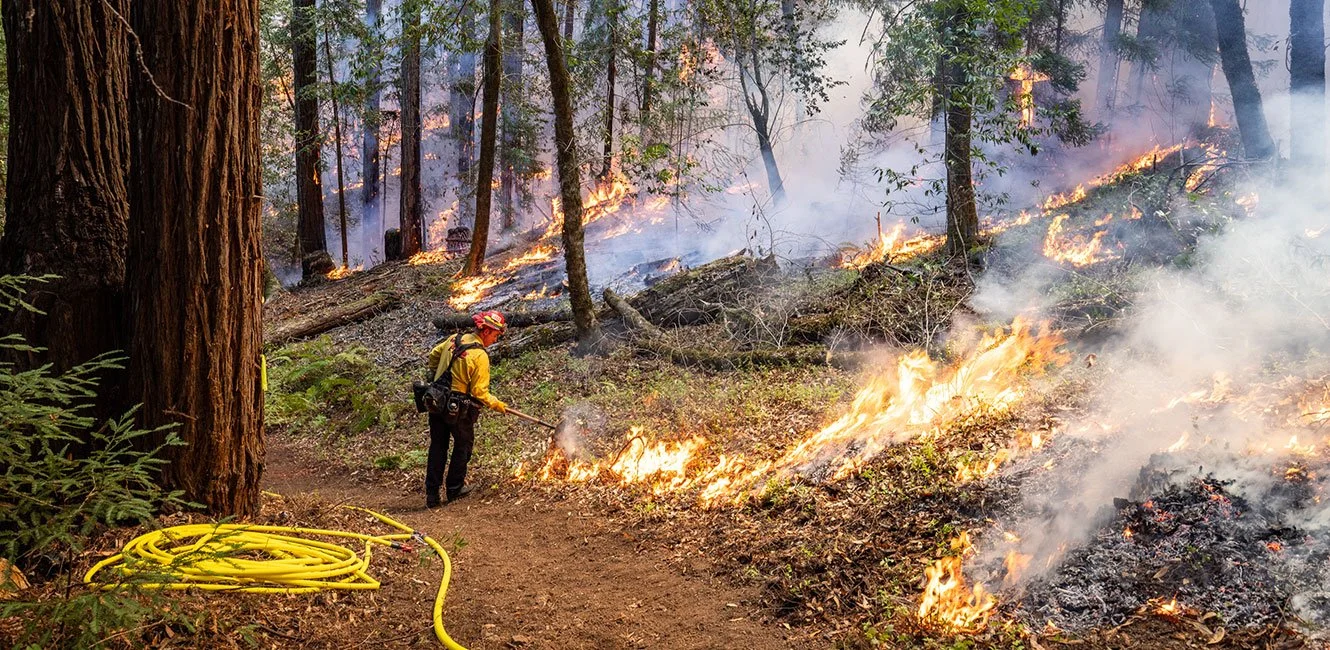
Prescribed burn.
A planned fire, carefully timed and precisely placed, moves low through the understory — clearing accumulated debris, recycling nutrients into the soil, and resetting the conditions that fire-adapted species evolved to expect. Unlike the catastrophic burns that suppression enabled, a prescribed fire stays on the ground, spares the oldest trees, and leaves the forest healthier and more resilient than it found it.
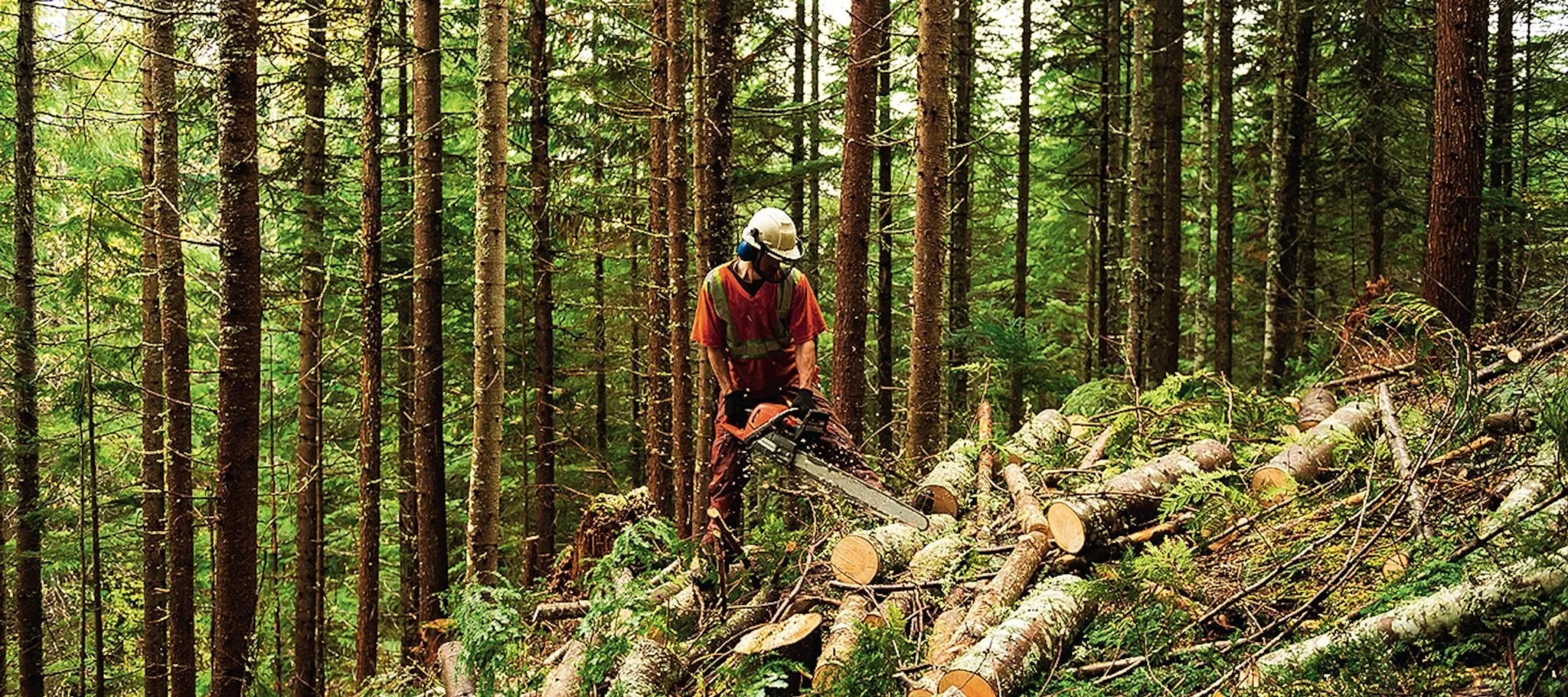
Thinning.
Crews move through overstocked stands removing the smallest and most crowded trees, returning spacing and light to forests that fire once kept open. The work is slow and physical, but its result is visible: a forest floor where grasses and wildflowers can return, where mature trees have room to grow deep crowns and thick bark, and where the next fire will find far less fuel than it would have yesterday.
Assisting Future Forests.
In a warming, drying Southwest, thinning is becoming something more than historical restoration — as Steven Bassett of The Nature Conservancy describes it, the goal is increasingly to "support the movement" of the forest rather than preserve conditions that may not persist: in areas where Douglas-fir and white fir currently dominate, crews are beginning to selectively favor drier-adapted species, preparing the ground not for the forest that existed, but for the forest that can survive what's coming.
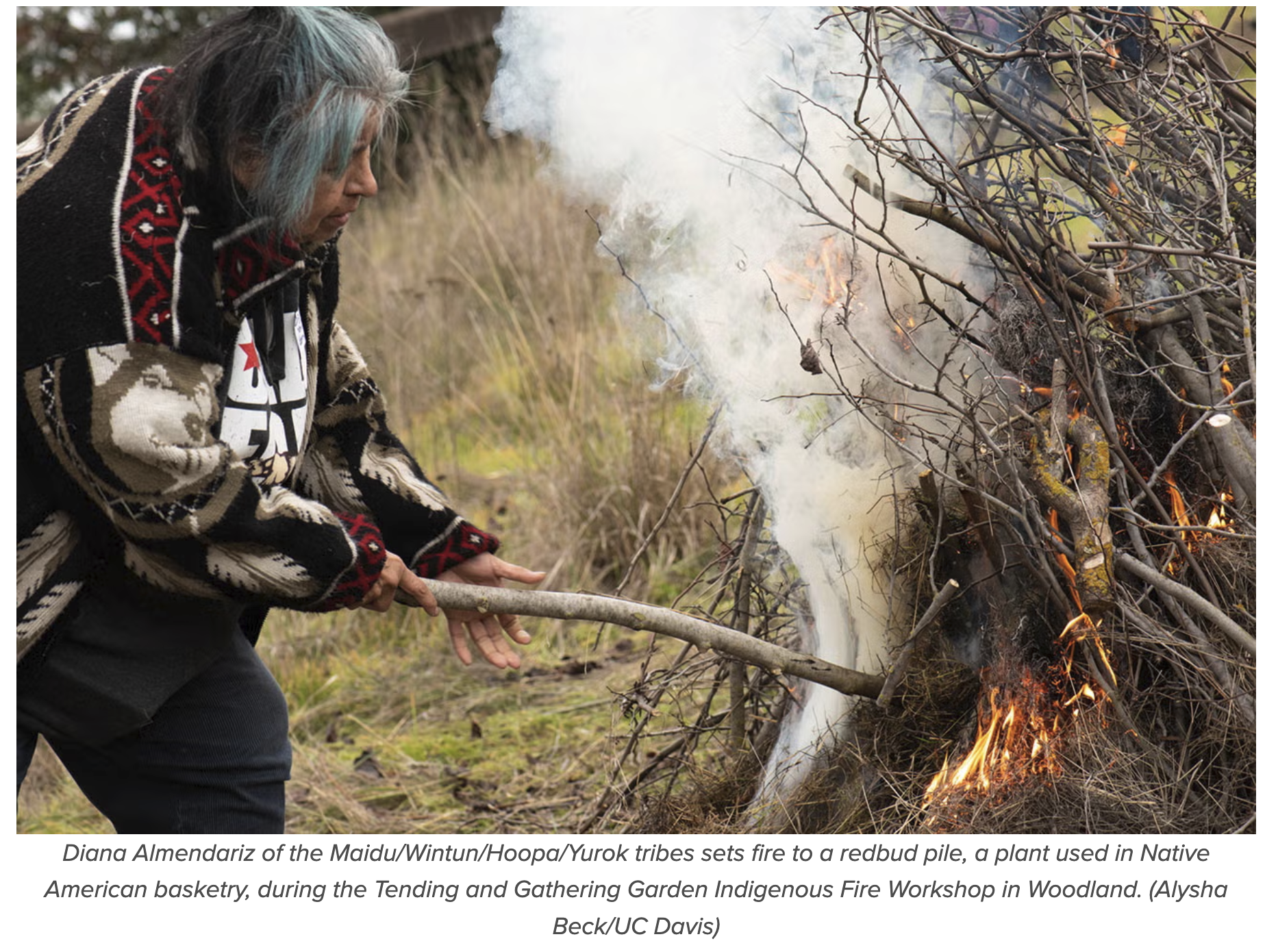
Cultural burning.
For the Pueblo communities of the Jemez Mountains, fire was never a disaster to be prevented — it was a tool of stewardship, applied with knowledge accumulated over centuries to maintain open woodlands, encourage food plants, and keep forests from becoming the tinderboxes suppression made them. Their return to active participation in restoration burning is not a supplement to contemporary fire science; it is a correction to the era that interrupted the practice.
Native people burn to enhance vegetation, not just remove it. Reducing fuel loads is just one of many benefits fire holds for ecosystems. For millennia, Indigenous people worldwide have applied small fires to the land to renew plants and watersheds for food, wildlife habitat, medicine, basketry and other cultural uses.
“Seeing fire used for good can be healing. When you learn about cultural burning and that fire can be positive and not just a tool to avoid worse fires, it’s transformative.” - Christopher Adlam, Native American studies student, UC Davis.
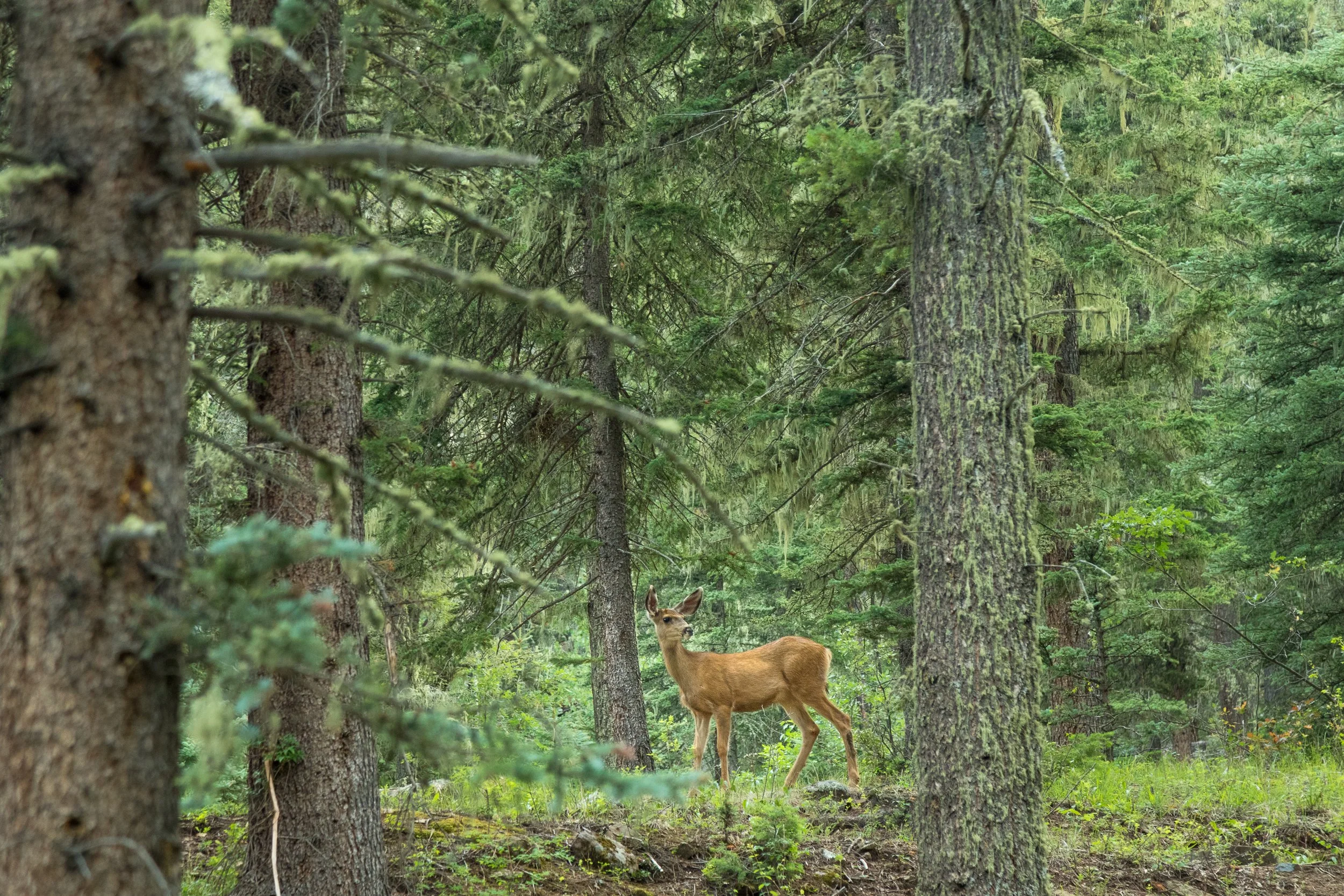
Biodiversity.
A restored forest is not a uniform stand of a single species — it is a mosaic of grasses, shrubs, wildflowers, snags, and openings that supports an entire community of species, from pollinators working the understory blooms to cavity-nesting birds claiming dead wood to large mammals moving through newly opened meadows. Biodiversity is both the goal and the indicator: when it returns, the forest is functioning again.