Cultures of Fire:
The Art and Science of Living with Fire in the Southwest
“Culture means ‘to cultivate,’”
- Ron Goode, North Fork Mono Tribal Chairman, California
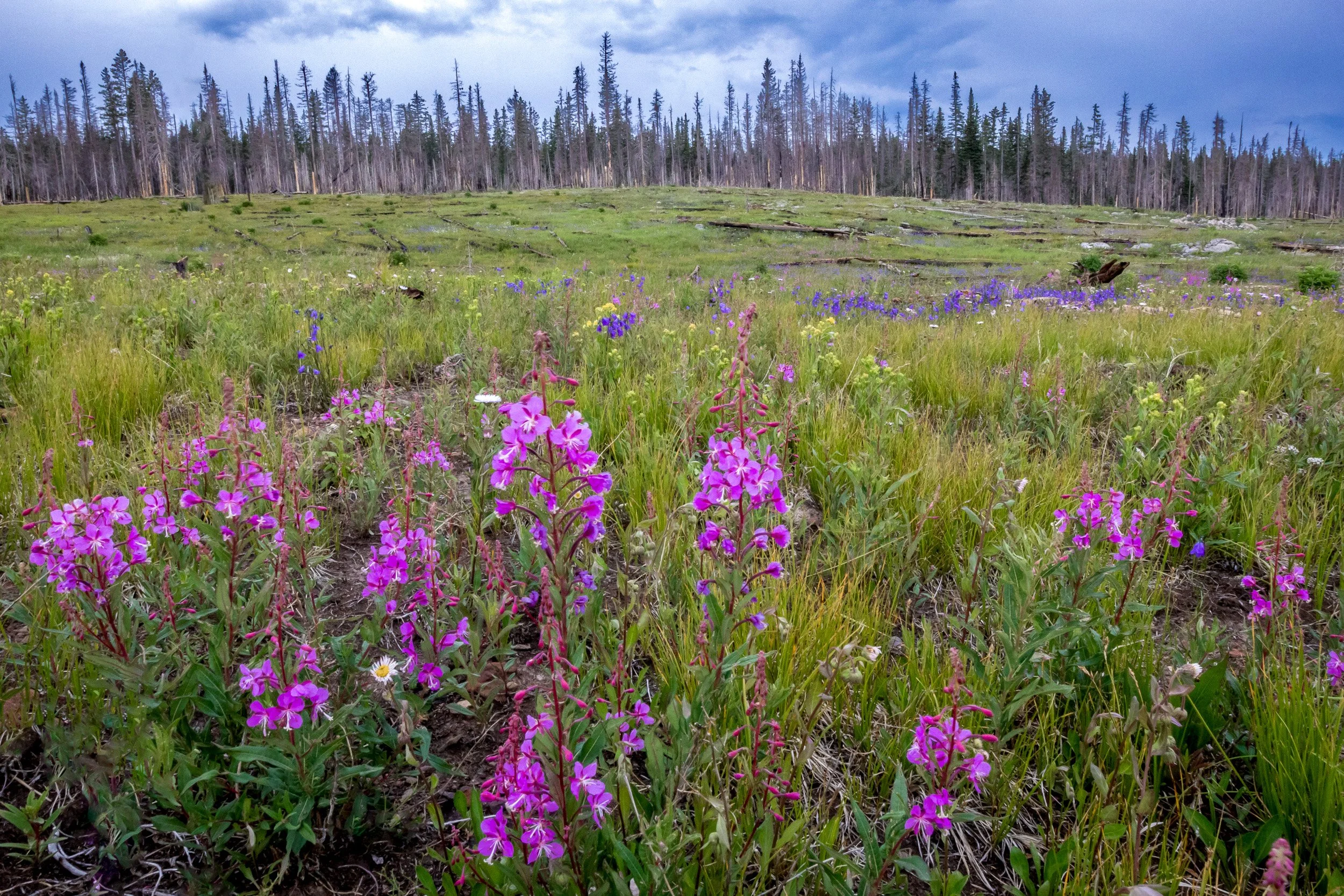
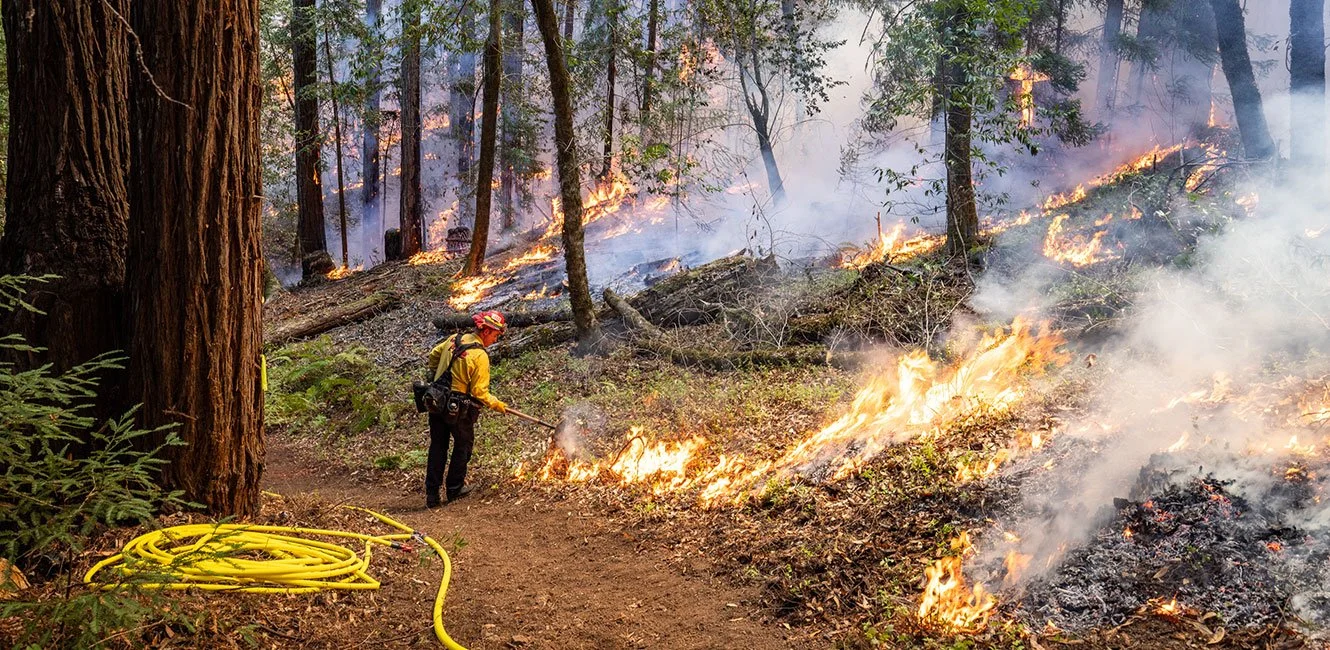
Cultures of Fire: The Art and Science of Living with Fire is a multi-year photography project exploring how communities in the American Southwest are repairing their relationship with fire in an era of climate change. For most people, that relationship begins and ends with fear; this project honors fear and grief as legitimate, then explores a different possibility — a recognition that fire has long been part of the region's ecology and culture, and can once again play a rejuvenating role, even in the age of climate change.
Across the connected landscape of Northern New Mexico and centered in the dry forests that harbor the headwaters that supply Santa Fe and Albuquerque's drinking water, the project follows the slow, largely invisible work of restoration — improving forest health to reduce the risk of mega-fire and supporting the recovery that follows. Photo-essays share how restorationists are working with nature tending to the elements of water, soil, and seed to recover forest health.
In the southern Jemez, decades of collaborative restoration by The Nature Conservancy, the Southern Jemez Mountains Collaborative, and five Pueblo communities have produced forests that now behave differently: fires stay small, and scientists can model how restoration changed the way fire moves — a proof of concept that the work is already happening and already producing measurable results. Through photo-essays and interviews, and through 3D photogrammetry of fire-following wildflowers and tree seedlings paired with aerial and landscape imagery, the project moves between macro and micro views of this work — the science of living with fire in a changing climate, and the slow emergence of forests none of us have seen before.
Together these stories reframe wildfire not as catastrophe, but as part of an renewed effort to repair the relationship between fire, people, land, and resilience.

MY STORY
In 2023, standing on the porch of my cabin in the northern Jemez Mountains of New Mexico, surrounded by dense forest, I watched smoke billow from the Black Feather Fire a few short miles away and waited for the evacuation alert. I had lived with fire since moving to Santa Fe in 2003. I endured days of darkened skies when ash fell from the sky and we sealed up our home from smoke from the 2011 Las Conchas Fire and again in 2022 with the Hermit’s Peak-Calf Canyon fire. I walked through burn scars while hiking in the Sangre de Cristo and Jemez Mountains. But in that moment at my cabin standing in dense, overgrown woods, I felt the fear, the helplessness, and the recognition that this was no longer a distant story. It was the landscape I live in, and to live here well, I needed to understand fire.
Cultures of Fire highlights the work to restore our relationship with fire, and also follows the emotional journey of how people, myself included, relate to fire. In modern times, most people’s connection to wildfire begins and ends with fear. News coverage shapes this: footage of flames, evacuation orders, scorched hillsides. Fear is a reasonable response to fire as most people currently encounter it—sudden, uncontrollable, seemingly catastrophic.
But fire was always part of these landscapes. For centuries, Indigenous communities worked with it deliberately. Mid-elevation ponderosa pine forests evolved with fire returning every five to twenty years—not as an intruder, but as a shaping force that kept forests open and rich with wildflower, grasses, and biodiversity. The fear we feel today is at least partly a consequence of the suppression era, which removed fire from the land, allowed fuels to accumulate, setting the stage for the catastrophic burns we now dread.
The southern Jemez gives that emotional arc a destination. It is what a restored relationship with fire looks like on the ground: a landscape where the work has been done, where fires stay small, where the forest is resilient. That place exists. You can walk into it. The question the northern Jemez poses—and that the whole project holds open—is whether the work can reach more of the landscape before the next mega-fire arrives.
Cultures of Fire aims to carry audiences through this arc: from fear and grief—which are legitimate and honored—toward engagement, and then toward the possibility of a different relationship with fire. Not the impossible goal of keeping fire away, but the harder and more hopeful work of learning to live with it well.
PHOTO-ESSAYS
The Five Elements
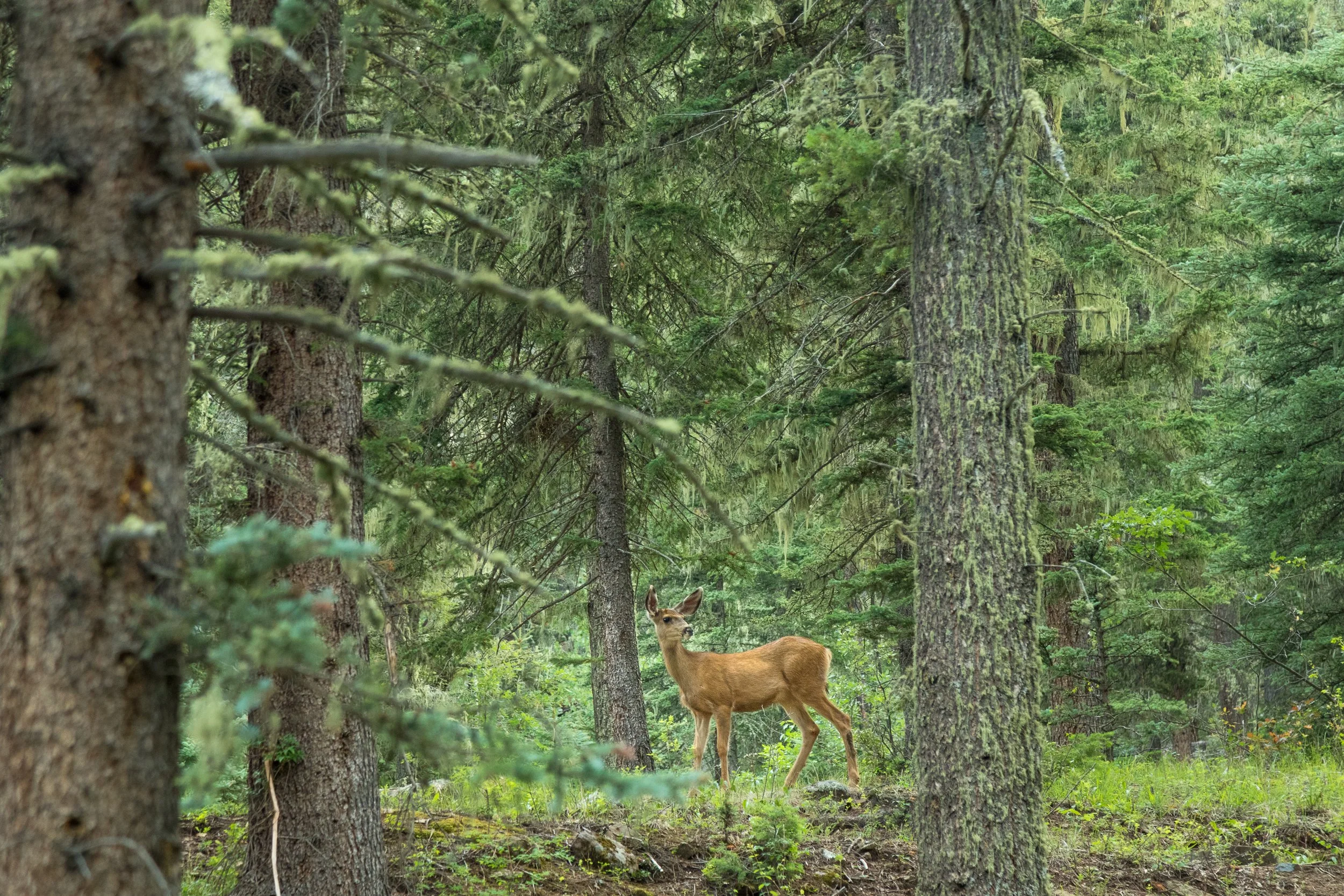
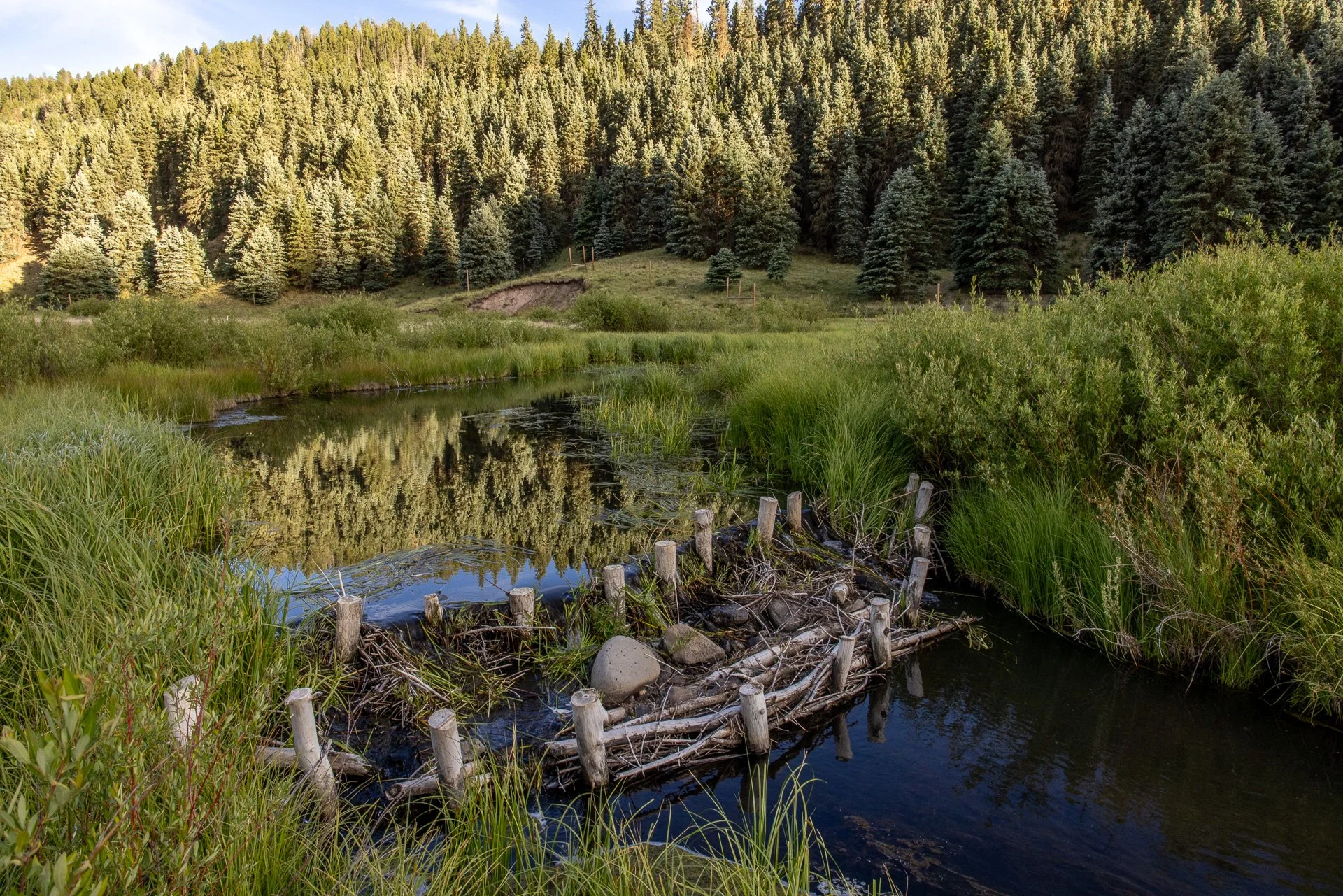
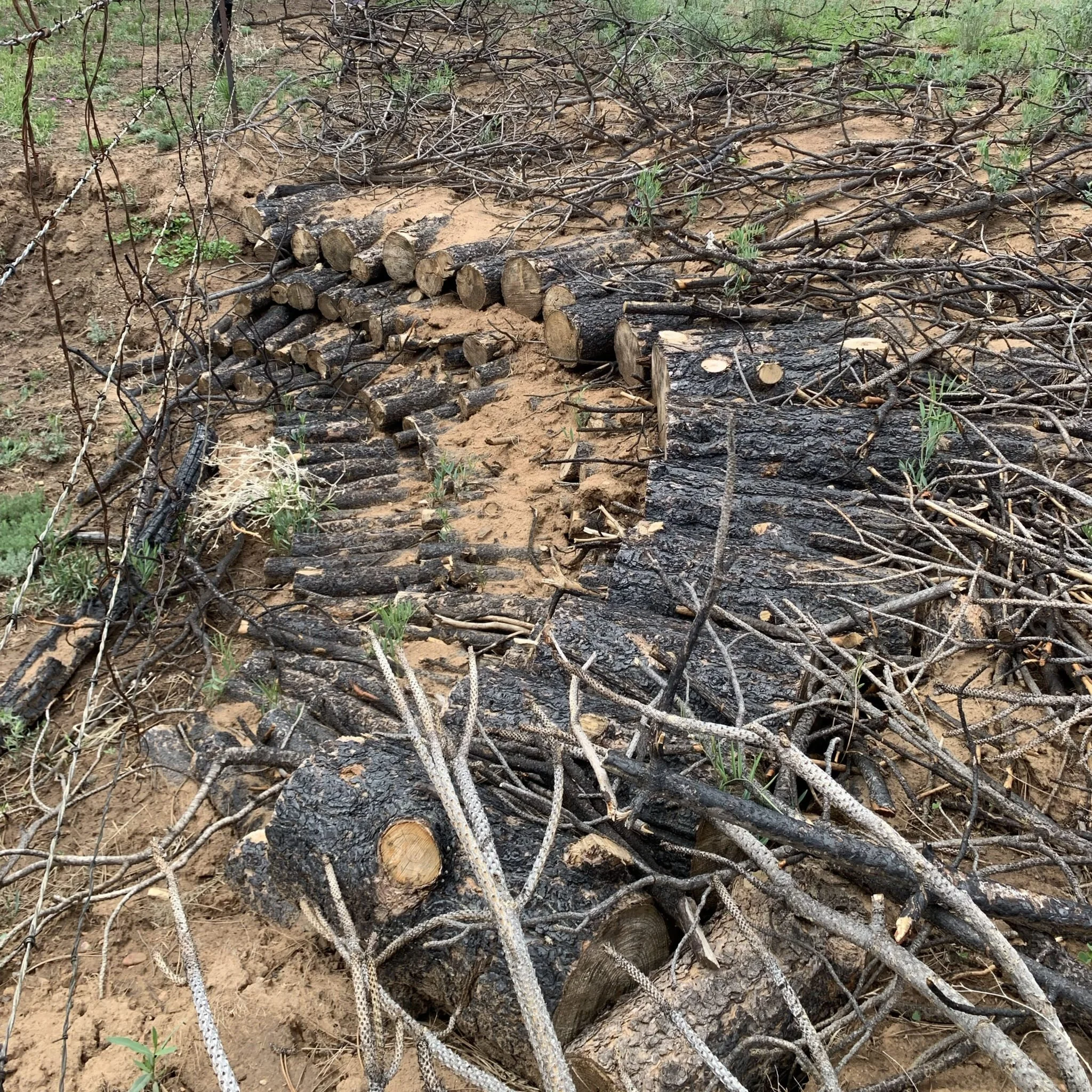
The work of restoration happens through five interconnected systems. Each addresses a different aspect of landscape recovery and wildfire prevention. Together, they demonstrate how to rebuild resilience in fire-shaped lands.

PLACES
The four fieldwork sites are not simply locations—they form a comparative structure that gives the project scientific rigor and narrative arc simultaneously. Together they represent every stage of the fire and restoration cycle, in a geographically connected landscape where the relationships between sites are visible and traceable.

Southern Jemez Mountains - The Proof of Concept

Northern Jemez Mountains - The Urgency

Sangre de Cristo Mountains: Hermit's Peak-Calf Canyon - The Wound

Rio Chama - The Downstream Stakes
PARTNERS